
Learning tarot
How to read court cards: start with what the figure is doing
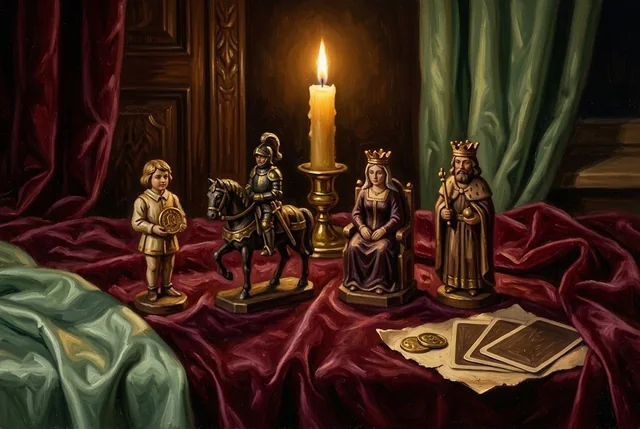
Court cards are easy to mix up. Especially at first, the explanations you find for Kings, Queens, Knights and Pages often sound much the same.
A figure holding a staff or a cup, standing or sitting. Sixteen cards: what's the difference?
Start with the rank
- Page: just starting to learn. Curious, bringing news.
- Knight: on the move. Charging ahead, often too far.
- Queen: knows it well and holds it inside. Understands, takes care.
- King: knows it well and puts it to use. Decides, takes responsibility.
The four Knights
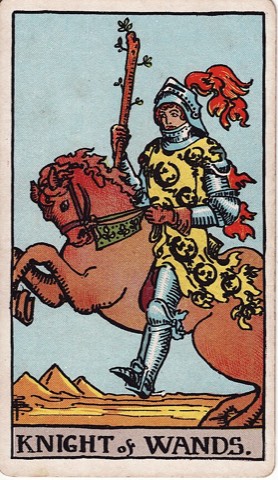
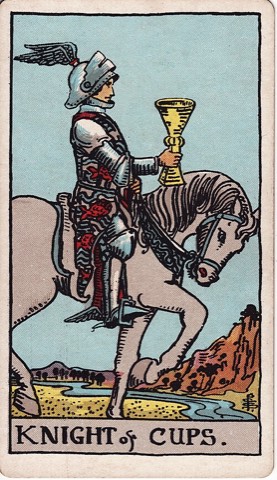
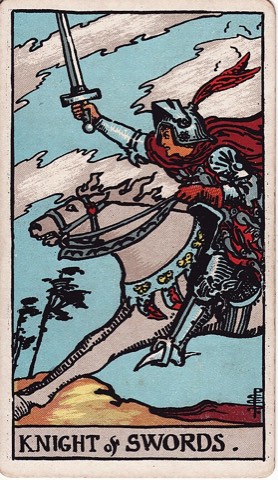
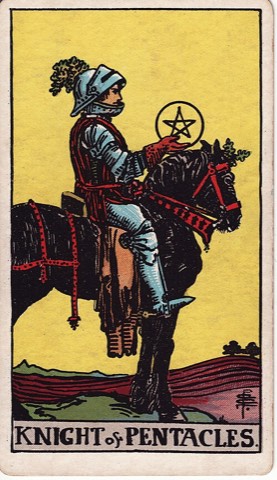
Just look at the horses.
The Knight of Wands' horse is rearing. The Knight of Swords' horse is galloping. The Knight of Cups' horse is walking. The Knight of Pentacles' horse isn't moving at all.
All of them are "action", at four different speeds.
Rank × suit
The rank is how it's done; the suit is where it's done.
King of Cups: so experienced with emotions that he can look after others. Page of Swords: with ideas, still at the stage of asking questions.
Three ways to read them
A person. One side of yourself. A way of doing things.
Say you ask about love and draw the Queen of Swords. There's no need to rush to work out who "she" is. If the position is advice, you can start by reading it as: what needs saying clearly? What requests do you not actually want to agree to?
Practice
Find someone you know for each of the 16 court cards. Write only a code name.
If you can't find a match, that's fine. Try characters from novels or films instead. What matters is saying why you chose them.
The full table is in the tarot study room: court cards unit. Upright and reversed meanings for every card are in the 78-card library.
Common questions
If I draw a Queen, is it always a woman?
How do I know whether a court card is about another person or about me?
If you'd like to talk about your own situation, start with the readings on offer.