Learning tarot
How to read reversals: five approaches I often use
The card turns over upside down. Many people's hearts sink.
In fact there's more than one way to read a reversal. Mary K. Greer wrote a whole book on reversals, and several beginner books explain them differently. These are the five I use most:
- Blocked: the card's energy is there, but held back or delayed. Like the Eight of Wands reversed: the news is slow.
- Inside, not yet showing: it's there in your heart, but can't be seen from outside yet.
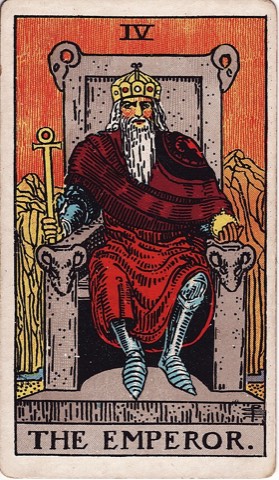
- Too much, or too little: The Emperor reversed may mean too much control, or no one in charge at all.
- On its way out: the old state is coming to an end. With the Nine of Swords reversed, for example, you can talk about whether you've recently become more willing to share your worries.
- Truly reversed: occasionally, it really is the opposite of the upright meaning.
So which one do I use?
Look at three things: what you asked, which position it's in, and what cards are beside it. The same Emperor reversed reads differently for a work question and a family question.
One more rule. Decide before you draw whether you'll use reversals. Don't declare that this one doesn't count only after drawing a card you don't like.
Further reading: Mary K. Greer, The Complete Book of Tarot Reversals; Joan Bunning, Learning the Tarot. Reversed meanings for each card are in the tarot study room.
Common questions
Does a reversal mean something bad?
Should beginners use reversals?
If you'd like to talk about your own situation, start with the readings on offer.